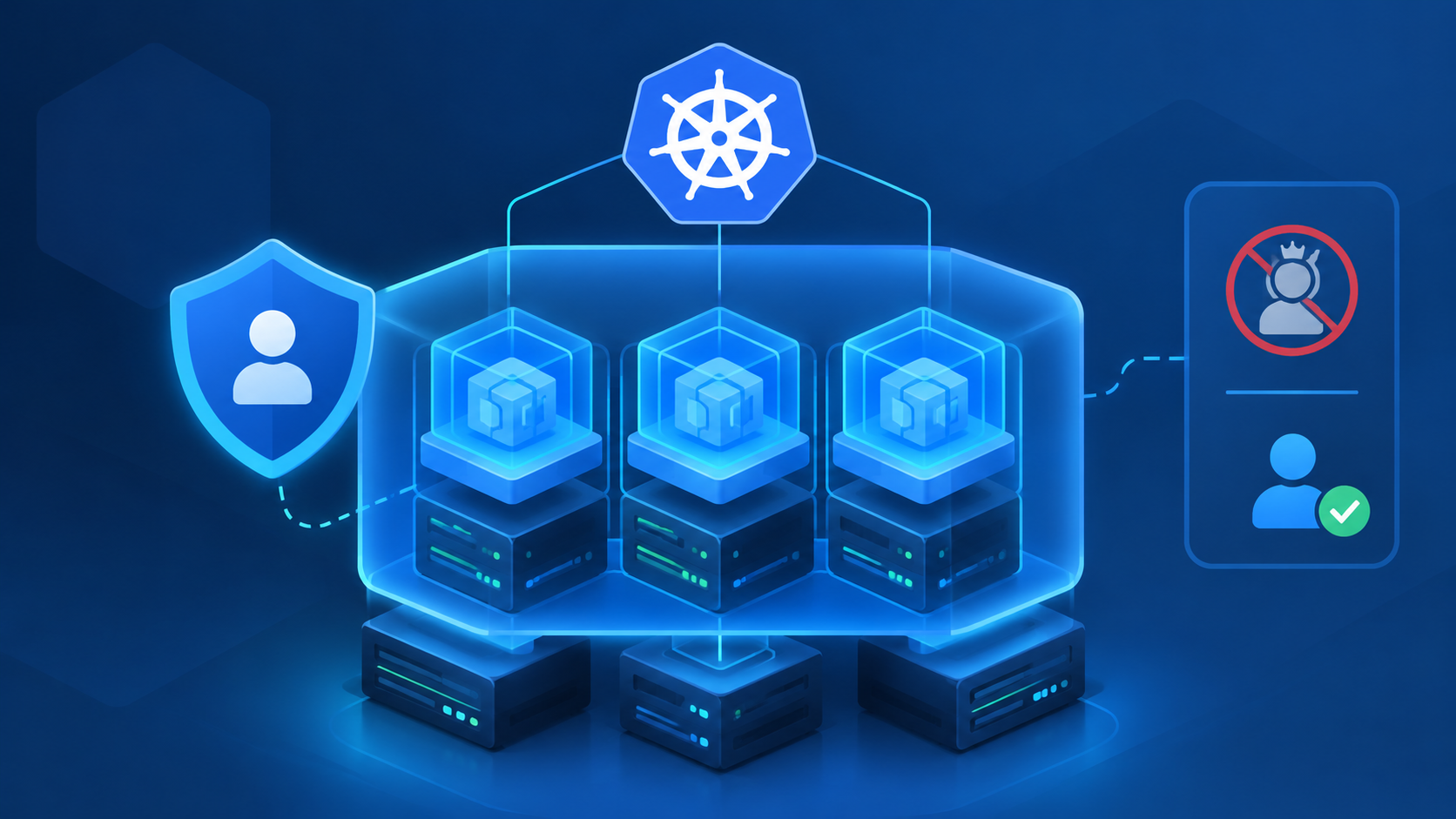
Kubernetes is finally making rootless nodes practical
Most Kubernetes security conversations focus on workloads running as non-root.
But the node itself has traditionally remained highly privileged.
That is changing.
Kubernetes v1.37 promotes KubeletInUserNamespace, also known as rootless mode, to beta. It allows the kubelet, container runtime, CNI plugins, and kube-proxy to run as a non-root user inside a Linux user namespace. Kubernetes
Why does this matter?
Because the node layer is part of your attack surface. If a container escape or host compromise reaches a node where core components run with full root privileges, the potential blast radius becomes much larger.
Rootless mode does not magically eliminate risk, and it is not a drop-in replacement for every production environment.
But it moves Kubernetes toward a stronger default security model:
Reduce privilege at the infrastructure layer—not only inside the application container.
For platform teams, the practical next steps are:
- Test rootless mode in isolated clusters
- Validate CNI, CSI, runtime, and monitoring compatibility
- Measure performance and operational differences
- Combine it with Pod Security Standards and workload user namespaces
- Document which workloads still require elevated privileges
The broader lesson is bigger than this one feature:
Security hardening becomes much more effective when it is built into the platform architecture instead of left to every application team.